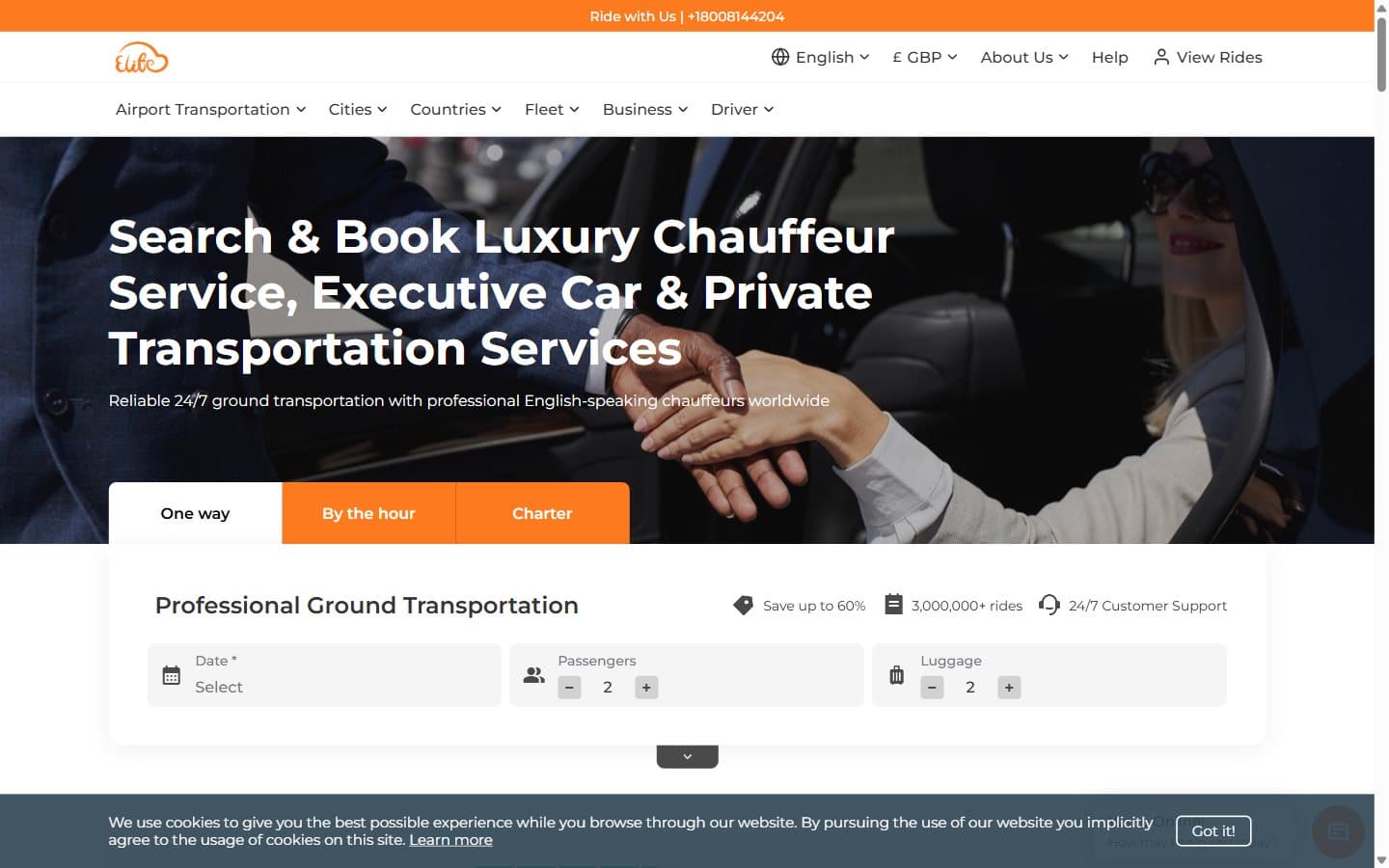
Product overview
Travel agencies, corporates, affiliates, and API partners needed one platform rather than a fork per brand. Elife’s public products — airport transfers on ElifeLimo and hoppa, charter and party-bus rental on BusBound — sit on that shared core and operate across 150+ countries. Partner backoffice systems are operational and not documented here in detail.
Problem
B2B transportation products accumulate brands, partner types, and booking channels. Without a multi-tenant core, each agency, affiliate, or white-label surface becomes its own application. Booking, ride, and partner rules then diverge, and delivery slows.
My role
Staff Software Engineer — platform architecture and delivery.
What I built
- Built and maintained Next.js/TypeScript frontend architecture for partner-facing and customer-facing surfaces.
- Worked on the multi-tenant partner platform used by 3,000+ partners, with international booking and partner systems covering 150+ countries.
- Created SQL template and execution APIs for booking, ride, partner, and operational workflows.
- Connected chatbot flows to live booking APIs and built MCP-based internal tools for SQL generation, review, and development tasks.
- As lead, set technical direction, architecture, engineering standards, and delivery for a team of 7–10 engineers.
Architecture
How the systems fit together
Surfaces
Interfaces
Partner portal
Multi-tenant B2B
Booking apps
Customer-facing
Ops tools
Internal workflows
Platform
Contracts & isolation
Gateway · Auth · Tenancy
Shared contracts and tenant isolation
Domains
Capabilities
Booking
Reservations
Partners
Tenancy & access
Workflow
Operations
Foundation
Persistence
SQL
Transactional stores
Integrations
External systems
Client apps
ElifeLimo · hoppa · BusBound · Partner portals · Operational tools
API layer
REST APIs · Auth · Tenant context · Booking contracts
Business services
Bookings · Rides · Partners · Affiliates · SQL workflow APIs
Data & integrations
SQL stores · Chatbot / booking integrations · MCP internal tools
Key engineering challenges
- One domain for booking, rides, and partners across several public brands and many partner types.
- Keeping white-label and first-party booking flows consistent without duplicating business rules.
- Giving partners and internal operators the tools they need without exposing another tenant’s data.
- Modernizing legacy frontend modules while the platform continued to take production traffic.
Technology stack
- Next.js
- TypeScript
- React
- REST APIs
- SQL
Screenshots
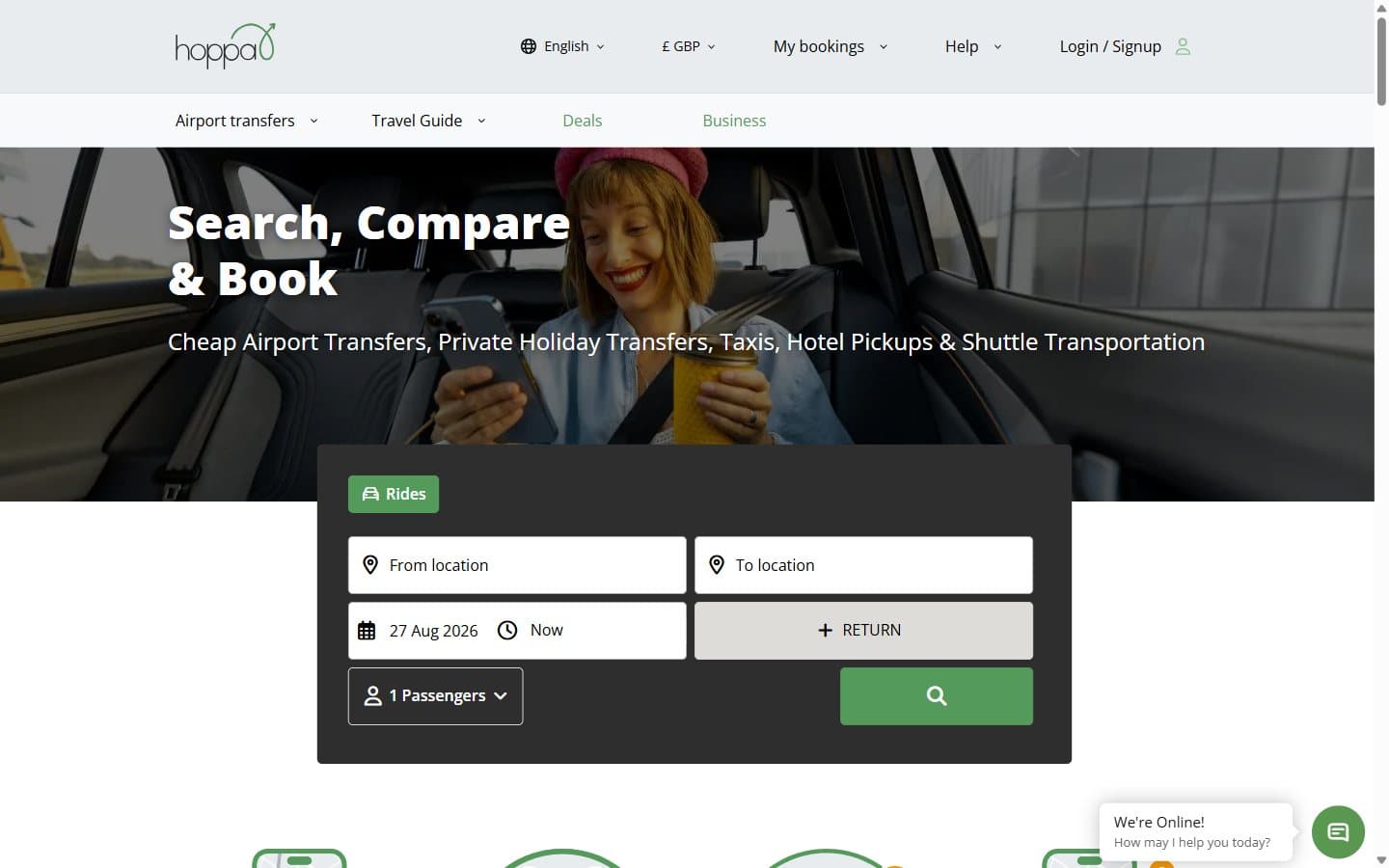
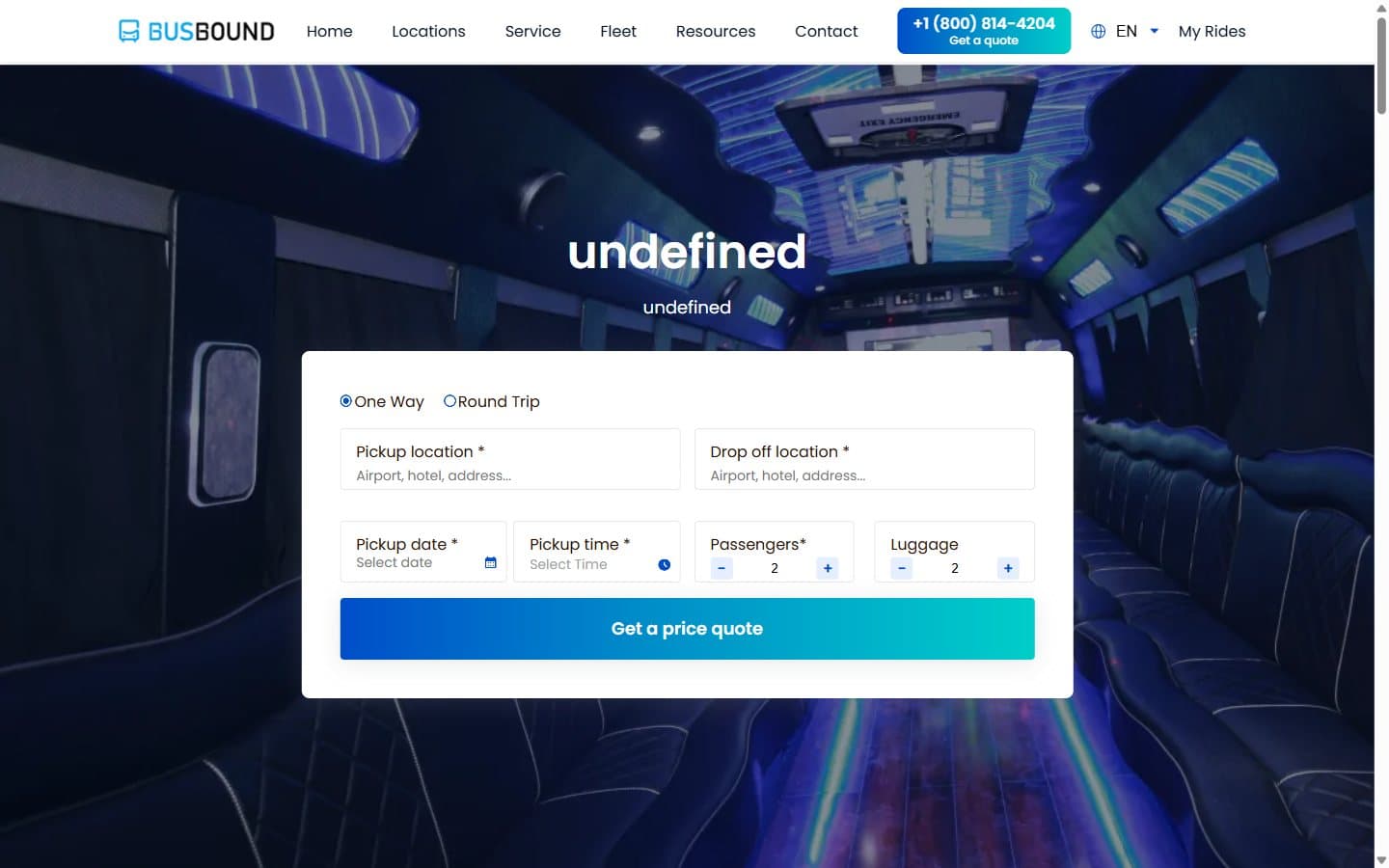
Results
- Platform used by 3,000+ partners globally.
- Transportation products and partner systems operating across 150+ countries.
- Reusable component architecture improved development velocity by about 40%.
Engineering decisions
- Treat brands such as ElifeLimo, hoppa, and BusBound as clients of a shared platform, not as separate products with copied business logic.
- Put booking and partner rules behind APIs so customer sites, partner portals, and internal tools share one source of truth.
- Describe partner backoffice systems at an architectural level only — internal URLs, proprietary workflows, and private operational data stay out of this write-up.